Police arrest three in fake VAT invoice network in Thailand

Police arrested three people allegedly running a fake VAT invoice racket in Thailand.
Ratha, 61, Pandecha, 33, and Khanaphot, 50, reportedly sold forged tax invoices to clients for transactions that never actually happened.
They had allegedly been running the scam for five years, costing the state around 360 million baht in lost revenue.
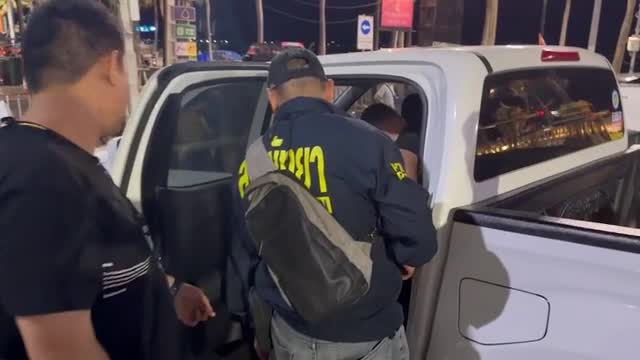
Police raided 10 locations in Bangkok and neighbouring provinces on August 11 as they launched a crackdown branded 'Operation Anti-Ghost Bill'.
Around 100 officers stormed condominiums, houses, commercial buildings and petrol stations linked to the suspects and their clients.
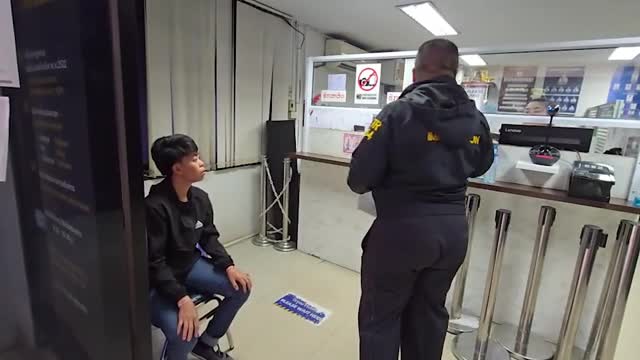
Authorities detained Ratha at a condominium in Bangkok while Pandecha was arrested at a house in the city's outskirts. Khanaphot was caught at a home in Nakhon Ratchasima.
They were accused of issuing tax invoices without legal authority. The offence is punishable by imprisonment ranging from three months to seven years.
Police Lieutenant General Natthasak Chaowanasai, commissioner of the Central Investigation Bureau, said the trio allegedly confessed to the charges.
He added: ‘This operation cracked down on the entire value-added tax fraud network, including false tax invoice issuers, false tax invoice users, sales agents, mule account holders and accounting firms, which have severely damaged the economy and the nation's overall development.'
The operation was launched following a tip-off about companies selling tax invoices without actual transactions involving goods or services.
During the raids, cops seized 105 tax invoice documents, 12 tax reports and forms, 31 postal delivery records, and 17 files containing employment, purchase and transfer documents.
They also confiscated 18 bank passbooks, 18 company seals, 20 PCs, laptops and other electronic devices, and 15 mobile phones.
Authorities found that a sales representative going by ‘Aor Ratha' was in charge of inviting potential customers into the close network.
An undercover agent managed to infiltrate the network and reportedly purchased fake tax invoices from them multiple times.
The fraudulent documents were issued under Pandecha's name, while payments were processed using Khanaphot's bank account.
Police said the operation also involved other people mailing the fake invoices through Thailand Post, using third-party names on the envelopes to conceal their connection to Ratha.
The investigation also found that Ratha sent forged tax invoices to several clients across the country and transferred a cut to Pandecha.
They also found that Pandecha used an accounting firm to increase the company's registered capital to 400 million baht. Over five years, he filed annual financial statements reporting revenue of around 300 to 400 million baht in an attempt to make the company appear credible.