Chinese scam boss arrested in Thailand over fraud and money laundering..


A Chinese scam boss was arrested in Thailand over fraud and money laundering.
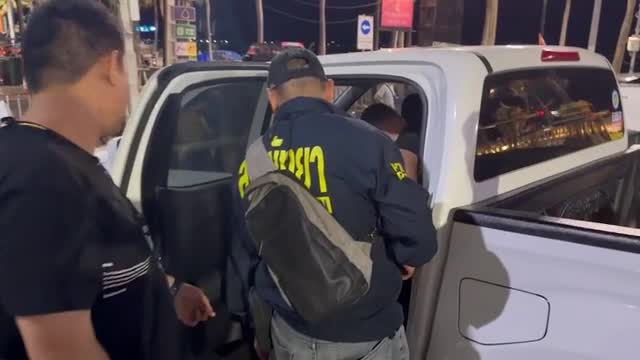
The Crime Suppression Division apprehended Zhang, 30, at a condominium in Pattaya, Thailand, on August 14.
He was wanted under an arrest warrant issued by Chinese authorities on charges of fraud and money laundering and was also found to have overstayed in Thailand.
The move came after the Crime Suppression Division, in collaboration with the Combating Transnational Criminals and Illegal Immigrations Center and the Anti-Cyber Scam Centre, coordinated to detain him.
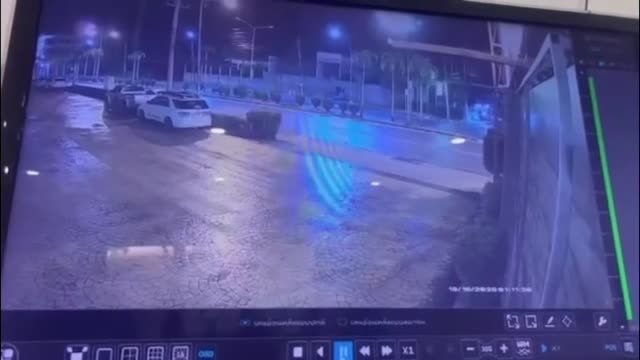
Zhang instructed accomplices to use bank cards to withdraw cash from various ATMs and transfer funds obtained through fraud to evade arrest.
Between June 2023 and February 2024, Zhang travelled to Thailand to meet his accomplices and used the country as an operational base to direct the scam network.
Zhang instructed accomplices to swap bank accounts to serve as receiving accounts for money obtained through fraud.
He then ordered another accomplice to travel around withdrawing cash from the accounts and carry out money laundering operations, with total losses linked to the network exceeding 1.8 million yuan, or more than 8.8 million baht.
Realising that he was a suspect who was likely to face an arrest warrant and could no longer remain in China, he fled abroad before the warrant was issued.
He travelled through Japan before entering Thailand in March 2025.
After learning where he was hiding, Thai authorities raided his condominium and apprehended him.
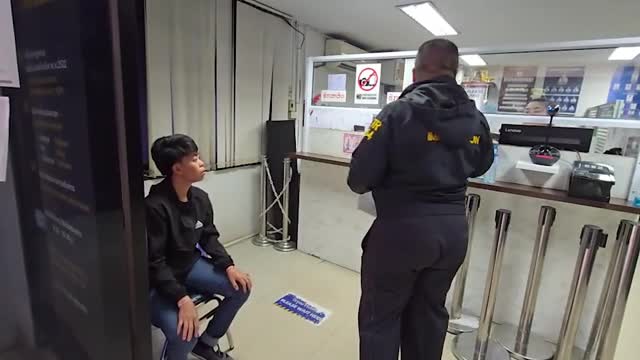
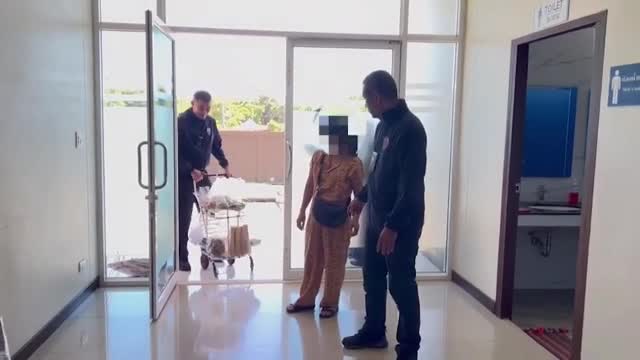
He was handed over to the Immigration Bureau for extradition to China for further legal action.
Police Lieutenant General Nattasak Chaowanasai, commander of the Crime Suppression Division, said: 'During questioning, the suspect confessed to all the charges. He admitted to using Thailand as a base to launder money from the scam network and hiding in the country to evade an arrest warrant issued by the People's Republic of China.
'We want to warn the public that allowing others to use their bank accounts or handing over their electronic cards is a crime. It can also make them accomplices to scams and fraud.'

Experienced news editor with a strong background in editorial planning, content review, headline writing, and fact-checking. Skilled in managing news coverage, ensuring accuracy, maintaining editorial standards, and delivering timely, engaging stories across digital platforms.
All Rights Reserved © 2026